

Faith-Based Metal Wall Art: Why These Gifts Mean More Than Most People Expect
Finding a gift for someone whose faith truly matters to them is harder than people think. Most Christian gifts end up being candles, plaques, or small decorative items that feel nice at first but quietly disappear into a shelf after a few months.
Metal wall art behaves differently.
Over the years we’ve noticed something very consistent: when someone receives a faith-based metal piece with a verse, cross, or meaningful date, it almost always becomes a permanent part of the home — not seasonal décor.
And that’s the difference.

Why People Choose Faith Wall Art Instead of Traditional Gifts
Many customers come to us after trying the typical options — printed canvases, framed scripture, or painted wood signs. The common complaint is that they either fade, warp, or simply don’t feel substantial.
Steel changes the perception immediately.
A metal piece has physical presence. When mounted on a wall, especially in an entryway or living room, it reads less like decoration and more like a statement piece. Visitors notice it right away, and homeowners tend to keep it in the same location for years.
We also see a pattern: faith pieces are rarely placed in bedrooms.
They’re almost always installed where people gather — near the front door, above a fireplace, or in a main family space.
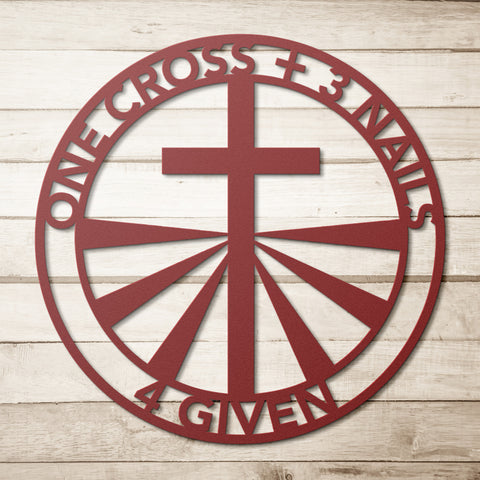
What Actually Makes a Faith Piece Feel Personal
Personalization matters, but not always in the way people expect.
Names and dates are popular, but verses are what people connect to most. The most requested types we see are:
• short scripture references
• crosses paired with a family name
• memorial dates
• confirmation or baptism gifts
One thing we’ve learned: shorter text almost always looks better on metal. Long passages can be meaningful, but visually they become difficult to read from across a room. A simple reference (for example, a verse citation rather than the full text) tends to have the strongest impact.

Faith and Patriotism Often Come Together
In practice, many households that order faith-based designs also choose patriotic elements. Crosses combined with eagles, flags, or stars are some of the most requested custom combinations.
This isn’t a trend — it’s a pattern we see repeatedly in real orders.
Customers often tell us they want something that represents both their beliefs and their values in one piece rather than multiple decorations competing for space.

Why Material Matters More Than Most People Realize
This is where metal art differs most from other Christian décor.
Powder-coated steel isn’t painted — it’s baked on. That matters because homes change. Pieces get moved to porches, garages, or outdoor walls over time. We regularly hear from customers who originally hung a piece inside and later moved it outside without issues.
One practical tip: avoid placing metal art where lawn sprinklers hit it directly. Rain is fine. Constant hard water spray is what actually causes wear.

Where People Hang Faith Wall Art (and Where They Shouldn’t)
The most successful placements we see:
• entryways
• above mantels
• stairway walls
• covered porch areas
The most common mistake:
Hanging it too high.
Most people install wall art closer to ceiling height than eye level. Metal pieces look best when the center sits roughly around standing eye height, similar to framed artwork.
Why These Gifts Are Remembered
Many gifts are appreciated when opened.
Very few are still appreciated five years later.
Faith-based metal art tends to stay because it becomes part of daily life — people pass it when leaving the house, see it when coming home, and associate it with the person who gave it to them. We often hear from customers ordering second or third pieces after seeing how the first one was received.
That’s when a gift becomes something else entirely.
Not decoration.
Not seasonal.
Part of the home.
Final Thoughts
Faith is personal, and the objects people keep around them usually reflect what matters most to them. A well-made metal piece doesn’t replace belief — it simply gives it a visible place in everyday life.
For many families, that ends up being far more meaningful than a traditional gift ever could.